

WHAT’S GOING ON IN THE U.S. HOUSING & REAL ESTATE MARKET?
Over the past few months, a number of reports and analyses have painted a nuanced picture of the U.S. housing and real estate market. There are signals of cooling, but also areas of resilience. For homebuyers, investors, and policy-makers alike, the landscape is shifting. Below are the key takeaways from recent coverage, followed by implications and what to watch.
-
Home prices are expected to dip in 2026, then rebound in 2027
- Ivy Zelman, a top housing researcher, projects that home prices in many U.S. markets will decline in 2026 before beginning to recover in 2027. This suggests a soft landing is possible rather than a crash, but also underscores that home values might lose momentum in the short term. (Source: CNBC video)
-
Mortgage rates are easing somewhat
- Ivy Zelman, a top housing researcher, projects that home prices in many U.S. markets will decline in 2026 before beginning to recover in 2027. This suggests a soft landing is possible rather than a crash, but also underscores that home values might lose momentum in the short term. (Source: CNBC video) ~4%.
- The easing of rates is encouraging prospective buyers. Lower carrying costs can broaden who can afford homes.
-
Commercial real estate is being reshaped: multifamily and offices under focus
- One of the stories discusses how multifamily properties (e.g. apartment buildings, rental units) and office spaces are playing important roles as parts of the commercial real estate sector adapt to changing demand.
- The office sector, in particular, has been under pressure from remote work trends. Some of that space is being repurposed or revalued.
-
Policy efforts and affordable housing legislation are in play
- There is a Senate affordable housing bill under consideration, with various proposals aimed at easing supply constraints, increasing subsidies or incentives, etc. These policies will affect how accessible housing can be, especially for lower‐ and middle‐income households.
- Regulatory changes are also having ripple effects: for example, updates in NAR (National Association of Realtors) rules could affect how home buying is done—or perceived—in the public’s eye.
-
The housing market remains extremely valuable, but unevenly so
- According to Zillow, the total value of U.S. housing has climbed to record levels (tens of trillions of dollars). But these gains are uneven: some states and metro areas are seeing strong value growth; others are cooling or even showing price declines from pandemic peaks. (CNN, ZillowAccording to Zillow, the total value of U.S. housing has climbed to record levels (tens of trillions of dollars). But these gains are uneven: some states and metro areas are seeing strong value growth; others are cooling or even showing price declines from pandemic peaks. (CNN, Zillow)
- In many high-cost states where demand remains strong and inventory low (e.g. certain Northeastern metros), housing value has held up or continued growing. In states that saw big surges during the pandemic, some of that pressure is fading.
-
Buyers are gradually getting more bargaining power
- Several reports suggest a gradual shift toward a more buyer-friendly environment. More inventory is coming on, sellers are more open to concessions, and affordability constraints are pushing people to be more selective.
- But this is highly local: in some markets, sellers still command premium prices; in others, the scales are tipping in favor of purchasers.
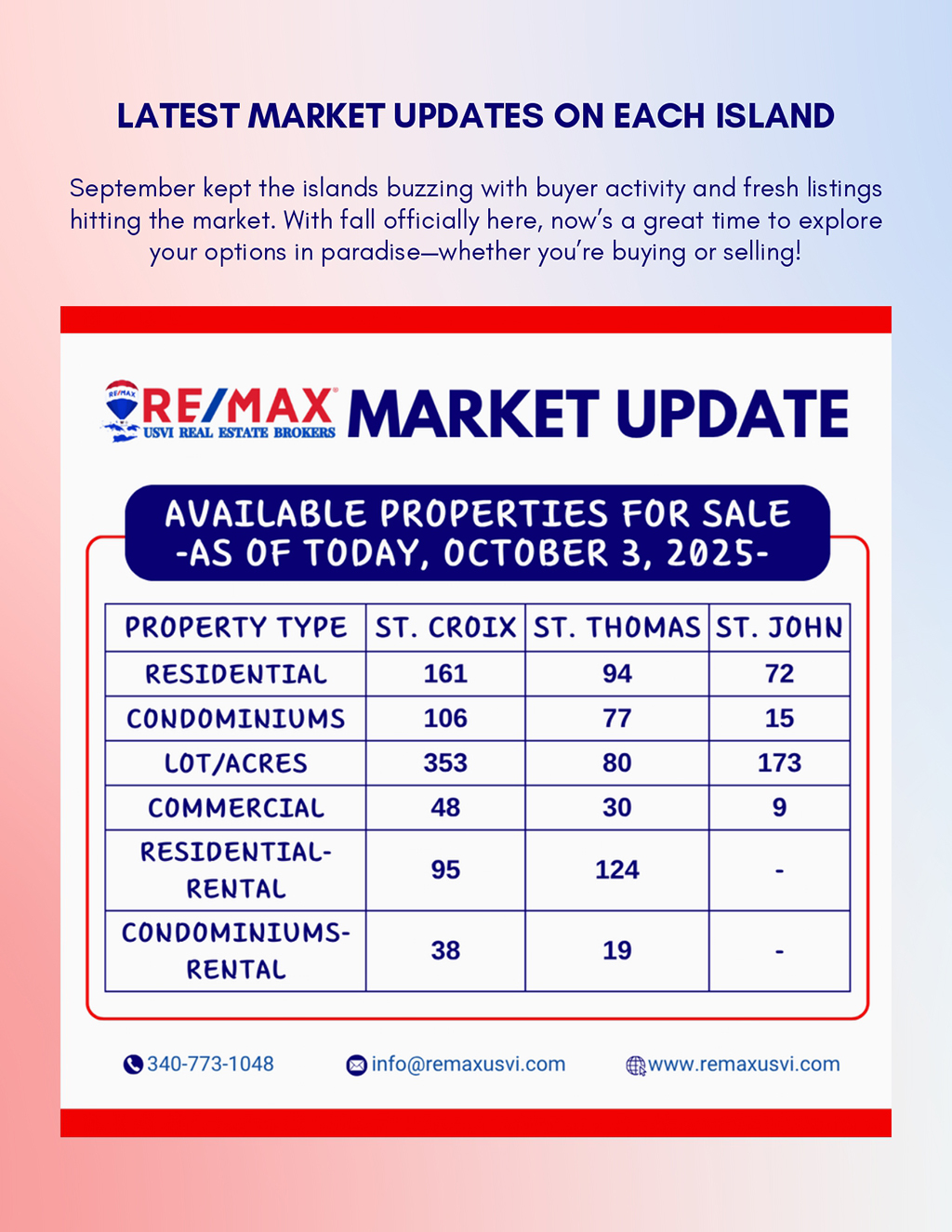

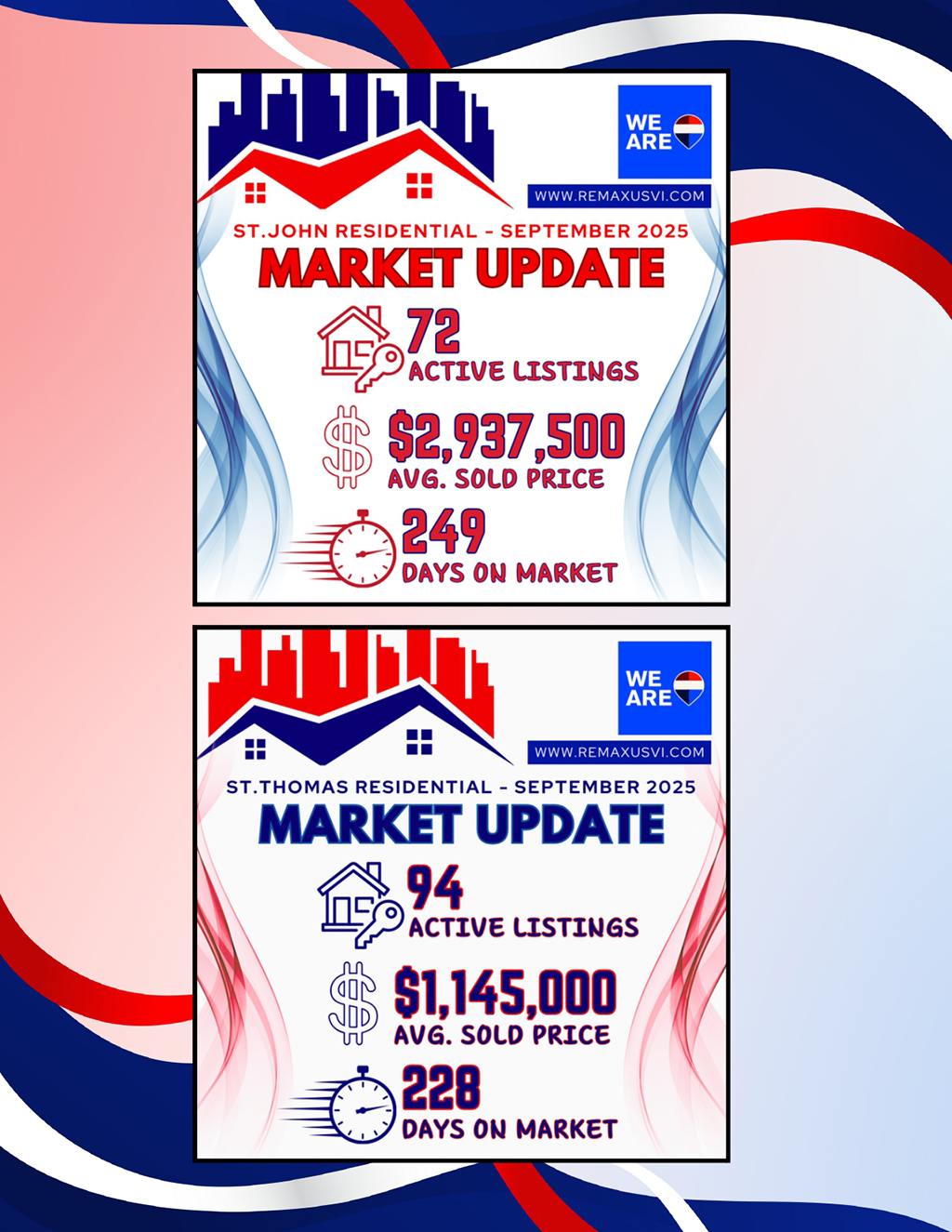
Prospective Buyers Rush for Loans as Rates Drop – What It Means for You?
Recently, the housing market has seen a burst of buyer activity, and the catalyst is clear: mortgage rates are easing, spurring more prospective homebuyers to act. According to the National Association of Realtors (NAR), the demand for mortgages—especially for purchase loans—jumped sharply as interest rates took a downward turn. Purchase applications rose 7 percent from the prior week, and were 23 percent higher than the same week a year ago. That kind of year-over-year growth in borrowing demand hasn’t been seen in over four years.
Why Are Mortgage Rates Dropping?
The dip in rates is tied to falling yields on U.S. Treasury bonds, which often influence long-term borrowing costs. With a softening labor market putting pressure on yields, mortgage rates followed suit. Joel Kan, an economist at the Mortgage Bankers Association, notes that this downward movement in rates has unleashed “the strongest week of borrower demand since 2022.”
In the week ending Sept. 11, 2025, Freddie Mac reported national averages of 6.35 percent for 30- year fixed mortgages (down from last week’s 6.50 percent) and 5.50 percent for 15-year fixed (down from 5.60 percent). Though these rates remain higher than in prior years, the easing trend is encouraging for many buyers.
Because fixed mortgage rates are still relatively high, many buyers are turning to adjustable-rate mortgages (ARMs), which often feature lower initial interest rates than 30-year fixed loans. ARMs allow buyers to benefit from lower short-term costs, though they come with more rate risk in the future.
What This Means for Buyers & Sellers?
For buyers, the current environment offers a window of opportunity. If you’ve been waiting for rates to cool before jumping in, you may now be seeing the moment you hoped for. Lower rates mean lower monthly payments, which can expand your purchasing power. That said, these loans aren’t forever— rates could shift again, especially with changes in economic data or Fed policy.
For sellers, the rush in buyer activity is a promising sign. Increased competition among buyers can help sustain demand, especially for well-positioned and attractively priced properties. But the landscape is shifting: homes may need to be more competitively priced and better presented to stand out in a more active market.
What to Watch Going Forward?
Fed moves and short-term rates: The Federal Reserve’s decisions about its benchmark rate can influence mortgage rates, though not one-to-one. Labor market and economic indicators: Weakness in jobs or wages may further push yields (and thus mortgage rates) downward.
Local inventory and competition: Even if national rates are favorable, local supply constraints or oversupply can sway how competitive your market is.
ARM vs fixed-rate choices: If you choose an ARM, understand how often the rate may adjust, caps, and your risk if rates rise.